10 Unexpected Ivory tortoise for sale Tips
The Ivory Tortoise: A Guide to One of Nature's Unique Creatures
The ivory tortoise, known clinically as Testudo graeca, is a remarkable species that has actually amassed the attention of reptile enthusiasts and collectors worldwide. With its striking appearance, appealing behavior, and special attributes, this tortoise has become a sought-after addition for numerous. This article dives into the life and care of the ivory tortoise, the factors behind its popularity, and considerable factors to consider for potential owners.
What Is the Ivory Tortoise?
The ivory tortoise, also understood as the Greek tortoise, is indigenous to countries in the Mediterranean area, including Greece, Turkey, and parts of North Africa. This terrestrial tortoise is valued for its perfectly patterned shell, ranging from shades of brown and olive with appealing yellow or cream-colored markings. Adult specimens can grow to be around 8 to 10 inches in length, making them appropriate for numerous environments and permitting workable care in a domestic setting.
This species typically has a life-span of 50 years or more, making it a long-lasting dedication for possible owners. Proper care can result in these tortoises prospering and living a healthy, satisfying life, which has added to their popularity in the pet-reptile market.
Why the Ivory Tortoise Is Sought After
The need for ivory tortoises has actually increased recently, driven by a mix of factors:
Aesthetic Appeal: The distinct and lovely shell patterns make the ivory tortoise an aesthetically sensational addition to any collection. Their distinct shells, colored in cream, yellow, and dark browns, attract many reptile lovers.
Personality: Unlike some reptiles that might be skittish or hard to handle, the ivory tortoise typically exhibits a calm attitude. Lots of owners report that these tortoises can become friendly, specifically when dealt with thoroughly from a young age.
Education and Conservation: Keeping an ivory tortoise can be an important instructional chance. Numerous owners take the effort to learn more about appropriate tortoise care and conservation, which can improve their understanding of wildlife and promote awareness about threatened species.
Breeding Programs: The presence of trusted breeding programs has actually increased the accessibility of ivory tortoises in the market. By obtaining tortoises from ethical sources, owners help lessen the demand for wild-caught specimens and consequently support conservation efforts.
Regardless of their popularity, it is essential for prospective owners to understand the responsibilities and obstacles connected with keeping ivory tortoises.
Taking care of the Ivory Tortoise: Key Considerations
Owning an ivory tortoise requires a dedication to providing sufficient care that fulfills its particular needs. Below are important aspects that prospective owners must consider before adding this types to their household.
Housing
- Enclosure Size: An appropriate enclosure is essential for the health and wellness of the tortoise. A minimum of 4x2 feet for grownups is advised, however larger is always much better to accommodate their natural behavior of roaming.
- Basking Area: Ivory tortoises need a basking location with temperatures in between 90 ° F and 95 ° F. This creates an environment that encourages optimum digestion and health.
- Substrate: Use a mix of substrate products, such as soil and sand, to imitate their natural habitat. radiated tortoise for sale digging opportunities, as tortoises delight in burrowing.
Diet plan
- Herbivore Diet: The dietary consumption of an ivory tortoise mostly includes leafy greens, vegetables, and industrial tortoise pellets. Some suitable alternatives consist of:
- Dandelion greens
- Collard greens
- Endive
- Grasses
- Calcium and Vitamins: Calcium and vitamin supplementation are important for preventing shell deformities and promoting general health. A cleaning of supplementation used several times a week can assist ensure their dietary needs are satisfied.
Temperature level and Humidity
- Maintain Appropriate Conditions: Tortoises require temperature gradients within their habitat. Heat ought to be preserved throughout the day, while cooler nights can hover around 70 ° F to permit for temperature guideline.
- Humidity Levels: Correct humidity levels, typically between 30% to 50%, are important for the tortoise's respiratory health and to prevent shell cracking.
Veterinary Care
Regular veterinary check-ups are vital for keeping track of the health of an ivory tortoise. Diseases can intensify rapidly without proper care, so it is important to develop a relationship with a veterinarian experienced in reptile care.
Often Asked Questions
1. Where can I purchase an ivory tortoise?Ivory tortoises
need to be acquired from reliable breeders or animal stores that prioritize humane breeding practices. Avoid purchasing from vendors that offer wild-caught specimens to support preservation. 2. For how long do ivory tortoises live?When effectively looked after, ivory tortoises can live for 50 years or more, making them a long-term dedication. 3. Can ivory tortoises be kept with other pets?It's not suggested to keep them with other animals, as they
might suffer stress from unknown companions. Be cautious and offer a separate habitat for your tortoise. 4. What should I do if my tortoise isn't eating?If your tortoise reveals a lack of appetite, it's best to speak with a veterinarian. Modifications in consuming habits
**can suggest health issues or ecological pain. 5. Is
it easy to reproduce ivory tortoises?Breeding ivory tortoises can be intricate, needing knowledge of their particular mating habits and ecological conditions. Prospective breeders should look into thoroughly before trying. The ivory tortoise mesmerizes reptile enthusiasts with its impressive aesthetic appeal, unique qualities, and pleasant behavior. While there is much pleasure in owning such an impressive creature, it is necessary to prioritize their care, housing, and dietary needs
. Accountable ownership promotes not just individual growth and health however also the extension of their species in the face of environmental pressures. As more individuals welcome the pleasures of these unique tortoises, it is crucial to support ethical breeding practices and conserve their natural environments. With dedication and knowledge, the ivory tortoise can grow both locally and in the wild. 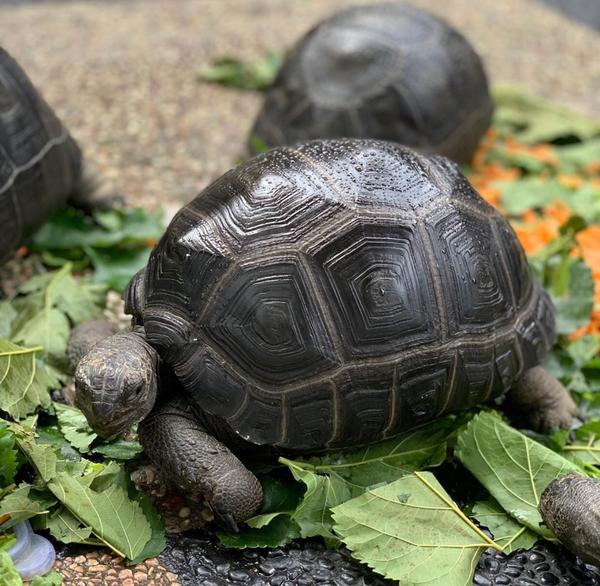 **
**